FAST FREE SHIPPING ON XEN DEVICES | NOW ELIGIBLE FOR HSA/FSA

5 Actionable Ways to Regulate the Nervous System
Our daily routines move at a pace our biology wasn’t designed for, so it’s no surprise we feel drained by the time we finally slow down. Many people feel wired, overwhelmed, or unable to rest, not because they’re “bad at relaxing,” but because their bodies are stuck in stress mode. This is physiology, not failure, and one reason so many look for effective ways to regulate the nervous system.
At the center of this experience is an autonomic imbalance. The sympathetic nervous system acts as the internal gas pedal, driving alertness and stress responses. The parasympathetic system serves as the brake, slowing the heart, supporting digestion, and guiding the body back into calm.
When the gas pedal stays chronically active, and the brake can’t fully engage, symptoms appear: poor sleep, mood swings, brain fog, digestive issues, and persistent tension. Research¹ links these patterns to reduced vagal tone and elevated sympathetic activity.
The good news? The nervous system is trainable. Below are five easy, science-informed ways to regulate the nervous system that are practical, accessible, and grounded in how your body naturally restores balance.
1. Use Breathwork to Influence the Vagus Nerve
Slow breathing practices such as 4–6 breaths, longer exhales, nasal techniques, and diaphragmatic work help stimulate the Vagus Nerve by influencing the baroreflex and calming brain pathways.
Why it works:
-
Longer exhales activate parasympathetic pathways and help the body shift into calm³.
-
Slow breathing boosts heart rate variability (HRV), a key marker of nervous system balance and resilience¹⁰.
How breathwork regulates the nervous system:
-
Sends “safety” cues to the brain and tells the brain the body is safe, helping shift you out of fight-or-flight.
-
Reduces sympathetic drive by lowering stress activation so the body can move toward a calmer state.
-
Supports a calmer baseline by helping the nervous system settle into steadier, more balanced regulation.
If you’re looking for natural ways to regulate your nervous system, breathwork is one of the fastest and most reliable exercises to activate the Vagus Nerve. It’s a simple daily practice that helps calm stress and restore balance within minutes.
2. Create Sensory Breaks to Reduce Sympathetic Activation
Intentional sensory “off time” means briefly reducing input, such as lowering noise, dimming lights, stepping away from screens, closing your eyes, or sitting in quiet stillness to give the brain space to reset and reduce sympathetic activation.
Why it works:
-
Continuous sensory input keeps the sympathetic system switched on.
-
Sensory reduction gives the nervous system space to downshift.
Benefits of sensory breaks:
-
Helps the body move out of vigilance.
-
Supports more stable cortisol patterns.
-
Creates micro-moments of parasympathetic recovery.
Sensory breaks are surprisingly powerful ways to regulate the nervous system, especially in environments overloaded with digital stimulation.
3. Strengthen the Gut–Brain Axis With Daily Nutrition Habits
Nutrition habits that stabilize digestion, balance blood sugar, and reduce inflammation to support steady energy, healthier gut signaling, and a calmer, more regulated nervous system.
Why it works:
-
The gut and brain communicate constantly through the Vagus Nerve.
-
Digestive dysfunction, blood sugar spikes, and inflammation all increase sympathetic activation.
How does nutrition regulate the nervous system?
-
Stable blood sugar steadies adrenaline output.
-
Healthy digestion increases afferent Vagus Nerve signaling, improving emotional steadiness.
-
Reducing inflammatory triggers supports calmer autonomic activity.
Simple, consistent nutrition habits are deeply effective ways to regulate the nervous system, especially if your symptoms include gut discomfort, mood instability, or energy crashes.
A balanced gut also supports the Vagus Nerve and sleep improvements over time.
4. Leverage Movement to Reset the Stress Cycle
Gentle or moderate movement includes walking, stretching, yoga, mobility work, or light strength training that helps release stress, support circulation, and encourage a calmer nervous system.
Why it works:
-
Physical movement metabolises accumulated stress hormones.
-
Moderate activity is linked to improved HRV and increased parasympathetic rebound.
How movement helps regulate the nervous system:
-
Breaks the “stuck in stress” loop.
-
Encourages natural shifts between sympathetic activation and parasympathetic recovery.
-
Helps release stored tension patterns.
Movement is one of the most effective ways to regulate the nervous system when practiced consistently. It also supports a smoother Vagus Nerve reset for sleep, particularly when done earlier in the day.
5. Use Vagus Nerve Stimulation (VNS) to Train the Nervous System
Transcutaneous auricular Vagus Nerve Stimulation (taVNS) delivers gentle electrical pulses through the ear to activate the auricular branch of the Vagus Nerve. This stimulation is one of the best ways to regulate the nervous system by engaging parasympathetic pathways that support calm, balance, and nervous system regulation.
Why it works:
Research from leading institutions like Thomas Jefferson University Hospital and AFRL¹¹ shows that daily taVNS delivers measurable improvements in autonomic and emotional regulation.
-
Improves vagal tone to strengthen parasympathetic activity
-
Increases HRV, a key marker of stress resilience
-
Supports steadier, more balanced moods
-
Enhances sleep in two weeks; Xen users saw 100% measurable sleep gains¹³.
-
Modulates brain regions tied to calm and emotional control
Studies also show taVNS influences brain regions connected to emotional regulation and autonomic control.¹¹ Stimulating the Vagus Nerve can specifically help by:
-
Activating parasympathetic pathways
-
Reducing sympathetic overactivity
-
Building long-term autonomic flexibility through consistent stimulation
-
Supporting resetting your Vagus Nerve for better sleep quality
How Xen by Neuvana Is One of the Best Ways to Regulate the Nervous System
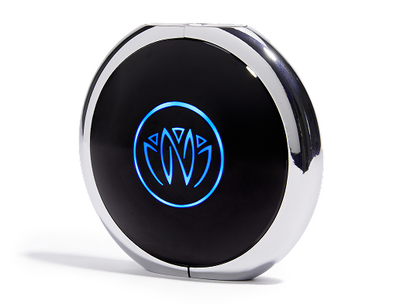
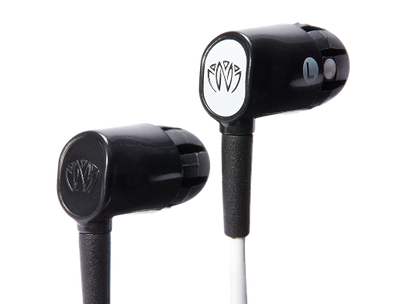
Xen is a wellness and VNS stimulation device that delivers gentle stimulation through Xen’s patented headphones, making daily Vagus Nerve activation simple and structured. Its stimulation parameters (30 Hz, 200 μs pulse width) align with those used in taVNS research¹.
For many people exploring ways to regulate the nervous system, adding a wearable Vagus Nerve stimulation device is a practical option, especially if you prefer non-pharmaceutical approaches or want support during nighttime wind-down routines.
Xen is often chosen by people exploring the best tVNS device for daily support. Its ear-based stimulation makes it a user-friendly Vagus Nerve stimulation device and a helpful wearable option for those seeking calmer moods and less anxiety.
Your Nervous System Can Learn a New Pattern
Nervous system dysregulation isn’t a personal weakness; it’s a biological response to prolonged stress. Each of these five methods works by helping the body shift out of sympathetic overdrive and re-engage the parasympathetic system.
Whether you start with breathwork, movement, nutrition, or structured tools like Vagus Nerve headphones, these science-backed ways to regulate the nervous system help your body feel safe again, sleep more easily, and respond to stress with more resilience.
With consistency, the nervous system becomes more flexible, more resilient, and more capable of supporting the life you want to live.