 FAST FREE SHIPPING ON XEN DEVICES | NOW ELIGIBLE FOR HSA/FSA


Backed by Research, Proven by Results


Our Best Sellers


How Xen Works for Your Goals
One Device. Three Powerful Ways to Reset Your System.
For Better Sleep
For Sharper Focus
For Stress Relief & Anxiety
3 Simple Steps to Restore Your Nervous System
-
Xen sessions work best when set for 15 to 30 minutes.
-
Some users notice a mild tingling sensation in the left ear, which is a normal part of the Vagus Nerve stimulation.
-
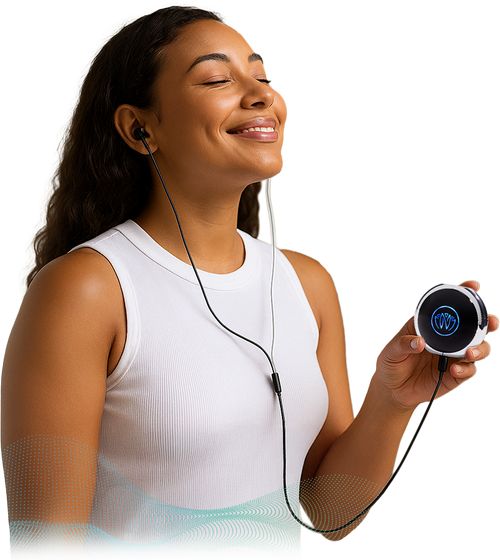
Xen fits easily into your routine. Portable and discreet for daily use.


Merging Innovation and Tech with Neuvana’s Vagus Nerve Stimulator Device

The Science of VNS

Power of Consistency

HSA & FSA Eligible – No Prescription Required

Better Sleep Starts with Xen
Neuvana Doesn’t Promise Magic. It Delivers Neuroscience.
A leading physician designed Neuvana’s Vagus Nerve stimulator device to make nervous system wellness easy and science-backed. It’s a gentle, ear-based device for better sleep and deeper relaxation.
Here’s what makes it stand out:
-
Portable and easy to use, think of it as a system reset on the go.

-
Affordable wellness supported by research and science.
-
HSA & FSA eligible for smarter wellness spending.
-
Backed by a money-back guarantee and glowing reviews.

So whether you’re chasing better sleep, sharper focus, or lower stress, Neuvana’s Vagus Nerve stimulator device is your new daily ritual for helping you feel more grounded and present again.


Science Behind Neuvana’s Vagus Nerve Stimulator Device
Think of your nervous system as your body’s control center, managing your heart rate, digestion, emotions, and focus behind the scenes. The Vagus Nerve is the main line of communication between your brain and body. When it’s underactive, your body gets stuck in stress mode, overworking when it should be resting.
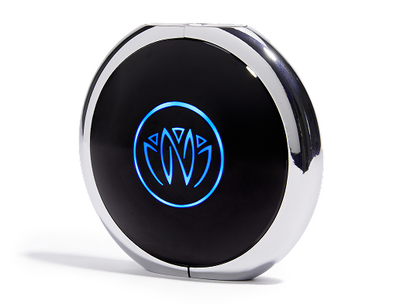
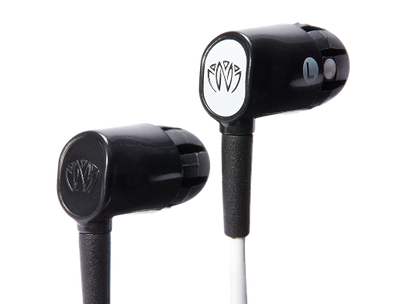
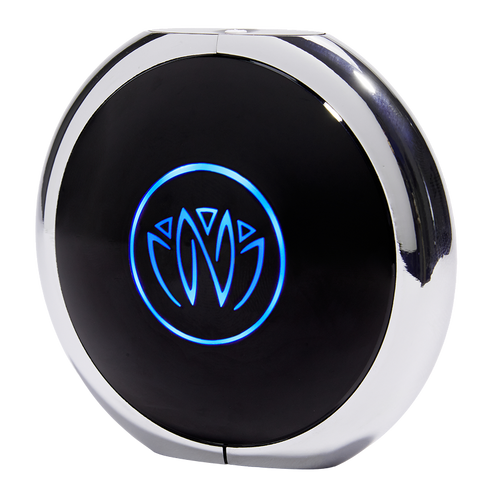
Xen, Neuvana’s Vagus Nerve stimulator device, helps restore balance through gentle transcutaneous auricular Vagus Nerve stimulation (taVNS)³ through specially designed earbuds. It’s like pressing “reset” on your body and mind.
With 15 to 30 minutes of daily use, Xen can help support measurable improvements in mood, sleep quality, and mental clarity over time.¹³,¹⁴
Have Questions About Vagus Nerve Stimulation? We Have Answers
The best device to stimulate the Vagus Nerve is one that delivers direct, controlled stimulation through the ear, where a branch of the Vagus Nerve is accessible. Look for a Vagus Nerve stimulator device with adjustable session lengths and intensity so it feels comfortable without being too intense. One example is Xen by Neuvana, which uses ear-based stimulation patterns studied in human performance research.
A Vagus Nerve stimulator device is best for people who struggle with stress, poor sleep, anxiety, or focus and want natural support. Research shows daily ear-based stimulation improves nervous system balance and sleep in adults, especially those with higher stress levels. For those searching for the best Truvaga Vagus Nerve alternative, Xen by Neuvana stands out as a leading option for daily use.
Activating your Vagus Nerve naturally can include slow breathing, cold exposure, humming, gentle movement, and mindfulness practices. While these approaches may offer short-term calming effects, they are often inconsistent and hard to repeat reliably. That’s why some people use a Vagus Nerve stimulator device like Xen by Neuvana, which provides direct, repeatable support for nervous system regulation day to day.
The recommended daily usage time for a Vagus Nerve stimulator device is generally 15 to 30 minutes per day, depending on comfort and guidance. Research on ear-based Vagus Nerve stimulation often follows this range and shows measurable improvements in nervous system balance with consistent use. Xen by Neuvana is designed to fit within these research-supported daily session lengths.
The best device to reset your Vagus Nerve is one designed for daily, repeatable use that supports gradual nervous system balance over time. Xen is a Vagus Nerve stimulation device built for consistent use, rather than one-time effects. Research suggests regular stimulation may increase heart rate variability, a marker associated with stress resilience.¹¹ Devices studied at institutions such as Thomas Jefferson University Hospital focus on measurable, long-term support rather than instant results.