FAST FREE SHIPPING ON XEN DEVICES | NOW ELIGIBLE FOR HSA/FSA

What Makes Xen the Best Wearable Device for Stress?
Stress today is not always a mindset problem. For many people, it may start in the nervous system. When the body stays stuck, the mind often follows.
Many tools help people cope with stress, but only a few help the nervous system actually recalibrate and return to balance. That difference is important when choosing the best wearable device for stress, especially for people dealing with constant tension and poor sleep.
This article explains why a device that works directly with the nervous system may be more helpful than features, tracking, or reminders.
Understanding Stress as a Nervous System Pattern
Stress is closely tied to how the nervous system functions each day. Your nervous system has two main parts that run automatically:
-
Stress mode (often called the “fight-or-flight” system)
-
Calm mode (often called the “rest-and-digest” system)
When stress mode stays on too long, the body struggles to recover. This imbalance is often described as:
-
High sympathetic activity, where the stress response stays active
-
Lower vagal tone, which may reflect reduced signaling associated with calm states.
Common signs include:
-
Racing thoughts and constant alertness
-
Trouble sleeping or waking up feeling unrested
-
Tight muscles and shallow breathing
-
Feeling stressed even when nothing is “wrong”
Long-term relief usually requires activating the parasympathetic system, which is the body’s natural calming response, rather than only addressing symptoms. This is why many people look for the best wearable device for stress that supports regulation, not just awareness.
How Xen Approaches Stress Differently
Most stress tools usually work through thoughts or behavior. Xen works through biology.
Instead of asking you to think or breathe a certain way during stress, Xen supports the systems that control it automatically. This approach is what separates Xen, the best wearable device for stress, from other tools that rely on physical or mental effort.
Xen’s Core Mechanism: taVNS
Xen uses transcutaneous auricular Vagus Nerve stimulation, commonly referred to as taVNS. In simple terms, it works through:
-
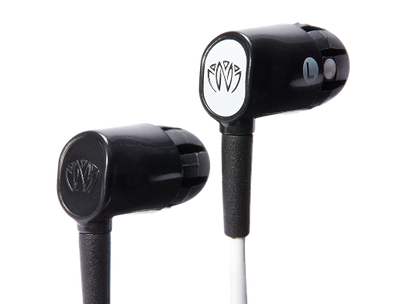
Gentle electrical patterns delivered through Xen’s patented Vagus Nerve headphones
-
Patterns that stimulate the auricular branch of the Vagus Nerve located in the outer ear
-
Regulation of the Vagus Nerve to support heart rhythm, breathing, digestion, mood, and sleep
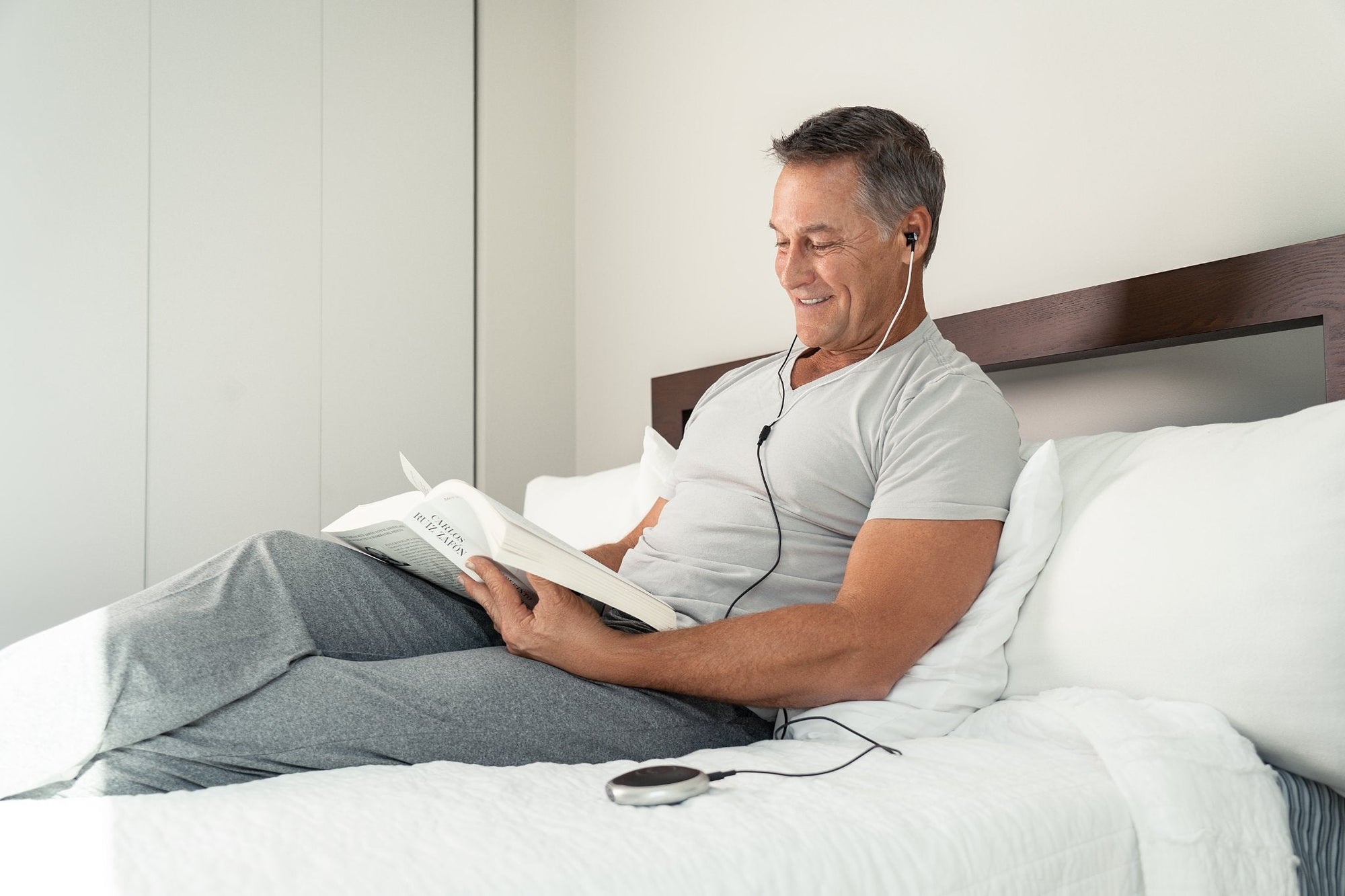
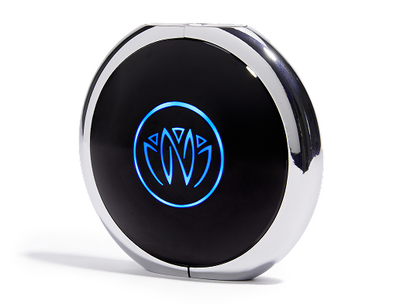
This makes Xen a wearable Vagus Nerve stimulation device designed for daily use. Sessions can be set to last anywhere from 15 to 30 minutes, making it easy to fit into everyday routines.
Because of this direct approach, Xen is often considered the best tVNS device among people looking for science-based stress support.
Why Direct Neural Stimulation Makes a Difference
When stress is high, thinking clearly can be difficult. Tools that rely on focus or effort may not work well in those moments.
On the other hand, direct neural stimulation:
-
Does not require mental effort
-
Communicates straight to the nervous system
-
Helps the body shift toward calm, even when the mind feels overwhelmed
Research shows that taVNS:
-
Was linked to reductions in stress scores of up to 30% with regular VNS therapy sessions¹⁷
-
Improves heart rate variability (HRV)¹⁰, a key marker of stress resilience, which is associated with cardiovascular risk
-
Improves baroreflex sensitivity, which helps regulate blood pressure and recovery¹¹
This direct pathway is one reason why Xen is often considered as the best wearable device for stress for people who want support directly at the source.
Xen vs. Popular Stress Relief Tools
There are many tools designed to help with stress, but they don’t all support the body in the same way. Understanding how each approach works can help explain why results can feel so different.
Meditation and Mindfulness Apps |
Breathwork Devices |
Tapping Tools and Somatic Practices |
Heart Rate Trackers and Wearables |
|
Apps can be helpful for learning skills and awareness. However:
How Xen differs: Xen is a Vagus Nerve ear stimulation device that works even when your thoughts feel scattered by supporting the nervous system directly. |
Breathwork tools encourage slower breathing to support relaxation. But they come with drawbacks:
How Xen differs: Xen delivers consistent stimulation without needing breathing control, making it easier to use during high-stress moments. |
These practices support body awareness and emotional processing. Some limitations to consider:
How Xen differs: Xen produces measurable nervous system changes supported by research, which is a key factor in choosing the best wearable device for stress. |
Trackers provide useful data, but:
How Xen differs: Xen actively influences the same nervous system metrics others only track, including HRV and recovery patterns. |
Why Evidence-Backed Stress Devices Stand Apart
Not all stress and wellness tools are studied the same way. Research helps clarify which approaches influence the nervous system directly.
Studies on taVNS show:
-
Supports 100% measurable improvements in sleep scores¹³ and mood with consistent use.
-
With regular use, nearly 80% of people using VNS technology like Xen reported feeling calmer, more balanced, and better able to handle stress.¹⁷
-
75–85% reduction in heart rhythm irregularities observed with Vagus stimulation.¹
Xen’s stimulation settings align with those used in published research and are supported by research at leading institutions, including Walter Reed Military Medical Center, University of Maryland, Arizona State University, and Thomas Jefferson University Hospital.
This focus on direct stimulation of the Vagus Nerve is a major reason many consider Xen the best wearable device for stress, rather than a passive tool.
Why Xen Supports Long-Term Nervous System Regulation
Quick stress relief can feel helpful in the moment, but true nervous system regulation develops gradually. Long-term support comes from consistent signals that help the body relearn how to shift out of stress mode.
With regular daily use:
-
The nervous system becomes more flexible and responsive
-
Stress recovery improves after everyday challenges
-
Baseline calm feels more consistent throughout the day
Many users also notice a stronger Vagus Nerve reset for deeper sleep, leading to better rest and improved stress regulation.
Xen is designed as a VNS stimulation device that supports ongoing nervous system training rather than a one-time solution. Its focus on a long-term approach is why many people view Xen as the best wearable device for stress when the goal is daily resilience and sustained nervous system balance.
Common Questions About Wearable Devices for Stress
If you are considering a wearable VNS device, it helps to understand how these tools actually work. Below are straightforward answers to the questions people ask most often.
1. How do wearable devices help with stress?
Wearable devices help with stress by supporting how the nervous system responds to tension and pressure. The best wearable device for stress, such as Xen by Neuvana, focuses on calming the body’s natural stress response directly through the Vagus Nerve. This has been found to help improve heart rate variability (HRV)¹⁰, a marker linked to stress resilience, allowing the body to recover more efficiently rather than simply tracking symptoms.
2. Which is the best wearable device designed to support stress regulation?
The best wearable device for stress is one that works directly with the nervous system rather than relying only on reminders or tracking. Devices that stimulate calming pathways, such as the Vagus Nerve, are supported by studies showing measurable improvements in stress and sleep-related scores with regular use¹⁷.
3. Can wearables help stress regulation without pharmaceuticals?
Yes, wearable devices such as Xen by Neuvana can help regulate stress by supporting the body’s natural calming systems. Research on nervous-system-based wearables shows reductions in stress scores of up to 80% in some clinical studies¹⁷. The best wearable device for stress focuses on the regulation, not suppression, of stress responses.
4. Where can I find warranty and support for stress wearables?
Most stress wearables include warranty coverage and customer support directly through the product brand’s website. For example, Xen by Neuvana offers warranty details, setup guidance, and support resources online to help users understand proper use and ongoing care of the device.
5. How do I choose the best wearable for stress support?
Choosing the best wearable device for stress starts with understanding how it works inside the body. Look for wearables supported by research, designed for consistent daily use, and shown to improve markers like HRV or stress recovery rather than only providing data or short-term coping tools.