 FAST FREE SHIPPING ON XEN DEVICES | NOW ELIGIBLE FOR HSA/FSA


Find Answers to Common Questions About Vagus Nerve Stimulation
Looking for a specific question about Vagus Nerve stimulation? Use the sections below to jump straight to answers regarding the different benefits and applications of taVNS with Xen.
Start Restoring Your Nervous System in 3 Easy Steps
Restoring balance doesn’t have to mean overhauling your entire lifestyle. With just 15-30 minutes a day, five times a week of using Xen, the best Vagus Nerve stimulation device, you can retrain your nervous system to respond better to stress and unwind faster.¹³, ¹⁴
With Xen, users can experience a quick daily reset for both mind and body. This device also provides a simple way to reset the nervous system for anxiety relief, at home or on the go. For more specific questions about using Xen or Vagus Nerve stimulation, you can explore the sections below.

Step 1: Pair & Sync
Download the Neuvana App, connect Xen via Bluetooth, and you’re ready to start calming your system in seconds.

Step 2: Create Your Session
Pick from Sleep, Calm, or Focus Mode. Each is designed to help you relax, focus, or recharge depending on the mood.

Step 3: Customize Your Session
Adjust the waveform, duration, and intensity until it feels just right and perfectly tuned.
FAQs About Vagus Nerve Stimulation for Sleep
These frequently asked questions about Vagus Nerve stimulation focus on how sleep quality is supported by nervous system regulation.
Vagus Nerve stimulation supports sleep quality by helping the nervous system shift toward a calmer, recovery-focused state. Research¹³ shows 100% measurable improvements in sleep scores when the Vagus Nerve is stimulated consistently as part of an evening routine.
Vagus Nerve stimulation affects sleep cycles by supporting nervous system balance, which influences how the body transitions into deeper rest phases. Internal studies¹³ observed 100% measurable improvements in sleep duration and ease of falling asleep, rather than forcing specific sleep stages.
A Xen session before sleep typically lasts 15 minutes, though sessions can be programmed between 15 and 25 minutes. Consistent timing helps the body associate stimulation with evening wind-down.
Using Xen daily for sleep support is commonly recommended in research¹¹ protocols. Regular use supports gradual nervous system regulation rather than relying on occasional sessions.
Vagus Nerve stimulation supports sleep by working with the body’s own calming pathways rather than introducing medication. This approach aligns with how the nervous system naturally shifts toward rest and recovery.
Research supported by institutions including Walter Reed Military Medical Center and Thomas Jefferson University Hospital¹¹, and an internal observational study¹³ show measurable improvements in sleep quality scores after consistent Vagus Nerve stimulation use.
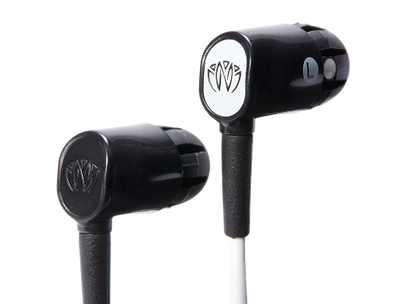
The best sleep tech devices focus on comfort, repeatable sessions, and ear-based stimulation patterns. Xen by Neuvana enhances nightly routines with gentle stimulation through Xen’s patented headphones, designed for consistent, low-effort sleep support.
Vagus Nerve stimulation helps with sleeping trouble by calming stress signaling that interferes with rest. Reviews often describe a smoother wind-down rather than sudden changes in sleep.
Several wellness companies offer stimulation tools for home use. Many users compare options like Xen by Neuvana, reviewing research alignment, comfort, and daily usability before deciding which Vagus Nerve stimulator best fits their routine.
Choosing a device for sleep support involves checking session flexibility, comfort, and research alignment. Many users prefer an ear-based Vagus Nerve stimulation device design that feels natural during evening routines.
FAQ’s About Vagus Nerve Stimulation for Focus
These FAQs about Vagus Nerve stimulation explore how focus and attention relate to nervous system balance. The answers reflect research-backed daytime stimulation patterns, where studies¹⁶ observed improved autonomic regulation and increased heart rate variability (HRV), a marker linked to sustained focus and cognitive control.
Vagus Nerve stimulation supports focus by calming background stress that disrupts attention. With regular use, a VNS device such as Xen helps activate the body’s rest-and-digest response, supporting vagal tone and steadier mood. Studies¹⁶ show this balance can improve focus, mental clarity, and stress resilience over time.
The best Vagus Nerve stimulation devices for focus prioritize consistent stimulation patterns and simple session control. Xen by Neuvana uses patented headphones to deliver gentle Vagus Nerve stimulation that fits easily into work or study environments without interrupting focus.
Several wellness brands offer ear-based stimulation products for attention support. Neuvana is one such company, known for Xen’s patented headphones, which deliver consistent, direct, non-invasive stimulation patterns while allowing users to customize sessions based on comfort, routine, and focus needs.
Top-rated Vagus Nerve stimulators in the US are often praised for ease of use and consistent daily sessions. Xen by Neuvana is frequently mentioned for focus support, using patented headphones that fit smoothly into work or study routines without disruption.
Yes, Xen users can create custom focus sessions where they can adjust session length between 5 and 25 minutes. This flexibility helps align stimulation with individual work patterns.
Vagus Nerve stimulation supports cognitive performance by helping regulate stress responses that interfere with thinking clarity. Research⁸ links improved nervous system balance with consistent attention.
Xen can be used during work or study sessions because Xen’s patented headphones allow discreet stimulation. Users often integrate sessions into desk-based routines.
Xen users usually notice changes in focus over days or weeks, not instantly. Consistent daily use supports gradual improvements as the nervous system adapts. In clinical studies¹¹, daily taVNS improved heart rate variability and stress regulation within about two weeks, supporting steadier focus over time.
Yes, professionals often use Xen as part of structured focus routines, pairing sessions with planned work blocks rather than constant use. In an internal observational study¹³ of professional athletes using Neuvana’s Xen, users reported measurable improvements in sleep quality and recovery, supporting consistent daily routines.
Research¹¹ supported by institutions including Jefferson University, University of Maryland and ASU links Vagus Nerve stimulation with improved autonomic balance, which supports attention regulation.
FAQ’s About Vagus Nerve Stimulation for Anxiety
Supporting anxiety starts with regulating the nervous system. These FAQs about Vagus Nerve stimulation share research-based insights and real-world use, often explored by those looking for the best wearable device for anxiety support.
Vagus Nerve stimulation relates to anxiety regulation by calming overactive stress signals in the body. Clinical studies¹⁷ show the VNS therapy device helps reduce anxiety levels, decreasing by up to 30%, helping support a more balanced and steady nervous system over time.
Xen can help calm the nervous system during anxious moments by delivering steady Vagus Nerve stimulation directly through the ear. Research¹¹ shows this approach supports nervous system balance, which is why many users explore Xen as a calming device for anxiety.
Vagus Nerve stimulation supports emotional regulation by improving nervous system balance through Vagus Nerve activation. Research¹¹ shows this activation helps reduce emotional reactivity, allowing the body to respond more steadily to everyday stressors over time.
Xen can be used alongside mindfulness or breathing practices. Vagus Nerve stimulation supports nervous system regulation, which may help users feel more settled during relaxation routines and structured calm practices.
The top-rated Vagus Nerve stimulation devices for anxiety relief are often praised for comfort and consistent daily use. Xen by Neuvana is frequently referenced in research-aligned reviews,14 using patented headphones to support nervous system regulation with consistent sessions.
Vagus Nerve stimulation differs from anxiety medication by supporting nervous system regulation rather than altering brain chemistry. It is a non-pharmaceutical approach often explored alongside other wellness strategies for anxiety support.
Several wellness companies offer home-use Vagus Nerve stimulation kits designed for ear-based use. Neuvana is often referenced in research discussions14 for its science-aligned approach, with comparisons focusing on usability, comfort, and published study findings rather than quick results.
FAQ’s About Vagus Nerve Stimulation for Mental Clarity
These frequently asked questions about Vagus Nerve stimulation explore mental clarity and nervous system balance. The questions and answers here reflect how regulation supports clearer thinking.
The Vagus Nerve is closely linked to mental clarity because it helps regulate stress signals in the body. Research¹⁷ shows that improved nervous system balance supports calmer brain activity, which can lead to clearer thinking and better focus over time.
Stimulating the Vagus Nerve supports mental health by improving nervous system balance. Research¹¹ links regulation with emotional stability.
Nervous system regulation affects mental clarity by reducing constant stress signals that overload the brain. Research¹ shows improved autonomic balance and higher HRV support, more focused attention, clearer thinking, and less mental fatigue over time.
Mental clarity sessions typically last about 15 minutes, as referenced in research using daily Vagus Nerve stimulation. Findings³ show consistent sessions within this range support nervous system balance, with flexibility to adjust length based on how focused or mentally fatigued you feel.
Yes, Xen can be used daily for mental clarity support. Research shows consistent daily Vagus Nerve stimulation helps reinforce nervous system regulation patterns, which users often associate with clearer thinking and steadier focus.
FAQ’s About Vagus Nerve Stimulation for Stress
Understanding stress starts with the nervous system. These questions and answers about Vagus Nerve stimulation cover daily regulation basics and why many users explore this approach as a nervous system regulation device.
Vagus Nerve stimulation helps regulate stress by signaling safety to the nervous system, allowing the body to shift out of constant alertness. Research¹¹ shows daily VNS increases heart rate variability (HRV), a key marker of stress resilience, supporting steadier calm and recovery over time.
The best Vagus Nerve stimulation devices for stress reduction are comfortable and easy to use daily. Xen by Neuvana delivers gentle stimulation through patented headphones, with research¹⁷ showing that daily use helps promote nervous system balance and improved stress regulation within weeks.
You can use a wearable Vagus Nerve stimulation device for stress in short, daily sessions at consistent times. With regular use, devices such as Xen help activate the body’s rest-and-digest response. Studies¹⁶ show daily taVNS increases vagal tone, and improves mood regulation within about two weeks.
Xen is typically used daily for stress support, as regular use is linked to better nervous system regulation. Clinical research¹¹ on taVNS shows that daily sessions improve vagal tone and reduce mood disturbance within two weeks, building a stronger stress resilience over time.
Yes, vagus Nerve stimulation offers stress support without medication. This appeals to users seeking biological approaches that work with direct and natural stress pathways.
Xen helps the body shift out of fight-or-flight by supporting parasympathetic signaling. Research¹¹ links this shift to improved heart rate variability.
Research¹¹ shows Vagus Nerve stimulation increases heart rate variability, which is a marker of stress resilience. Higher HRV is also linked with improved stress recovery.
Yes, Xen can be used during the day for stress regulation in short, planned sessions. Research¹¹ on taVNS shows daytime use supports autonomic balance and improved heart rate variability, helping the nervous system reset during work breaks or daily transitions.
Stress-support sessions typically last between 15-25 minutes, depending on personal preference. Research¹⁶ shows consistent daily sessions within this range support nervous system regulation, allowing users to adjust session length based on how their body feels that day.
Yes, Xen is suitable for daily stress management when used consistently. Reviews emphasize routine use rather than occasional sessions.
FAQ’s About Vagus Nerve Stimulation for Heart Health
Supporting heart health starts with nervous system regulation. These questions and answers about Vagus Nerve stimulation reflect research on HRV and stress resilience, often explored as part of long-term wellness routines.
Vagus Nerve stimulation supports heart health by improving autonomic balance and calming stress-driven heart responses. Research¹¹ shows stimulation can increase heart rate variability, a key marker related to cardiovascular resilience and nervous system regulation.
Vagus Nerve stimulation has been shown to increase heart rate variability (HRV), which signals improved nervous system regulation. Findings¹¹ note that daily taVNS supports vagal tone and autonomic balance, both closely linked to stress resilience and heart health.
Yes, Xen can be used as part of a heart-healthy lifestyle by supporting stress regulation and autonomic balance. Research shows regular Vagus Nerve stimulation can improve heart rate variability, a marker linked to cardiovascular resilience and recovery.
Xen is typically used daily for HRV support, as consistent use is linked to measurable autonomic improvements. Findings show daily taVNS can increase HRV and stress resilience within weeks, which is why Xen is often noted among the best tVNS device options for routine use.
Vagus Nerve stimulation for heart health is being researched in adults experiencing chronic stress, reduced heart rate variability, or autonomic imbalance. Studies15 show these groups explore stimulation as a nervous system regulation device to support long-term cardiovascular resilience.
